-
Hello World!
Introduction: The Recovery Obsession We Need to Talk About
Walk into any modern gym, elite sports facility, or even a residential society clubhouse today, and you will find one common feature: cold exposure.
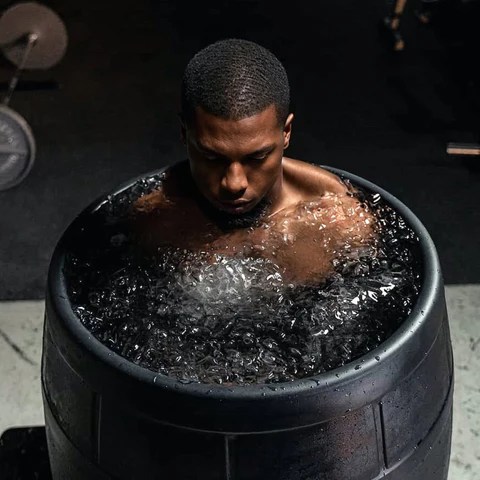
Ice baths, cold plunges, cryotherapy chambers, ice barrels, recovery tubs — all marketed as the fastest way to recover, reduce pain, and enhance performance. Social media platforms are flooded with elite athletes sitting in ice, influencers timing their cold plunges, and coaches prescribing cold exposure almost ritualistically.
But here is the uncomfortable question:
Does feeling better after cold exposure actually mean your body is recovering better?
As a sports physiotherapist working with high-performance athletes, this distinction is critical. Recovery is not about short-term symptom relief; it is about tissue adaptation, load tolerance, and performance sustainability.
This article separates evidence from hype, explains what actually happens inside muscle and connective tissue, and provides a clear clinical framework for deciding when cold exposure helps — and when it silently sabotages progress.
Understanding Recovery: Pain Relief vs Tissue Adaptation
Recovery is often misunderstood as the absence of pain or soreness. In reality, recovery is a biological process involving:
- Inflammatory signalling
- Satellite cell activation
- Collagen remodelling
- Neuromuscular recalibration
- Central and peripheral nervous system recovery
Pain reduction is only one small part of this process.
Cold exposure excels at analgesia (pain dampening). What it does not always support is optimal tissue adaptation, especially when used incorrectly or too frequently.
What Cold Exposure Actually Does (Physiology Simplified)
1. Vascular Effects
Cold causes vasoconstriction, reducing local blood flow. When exposure ends, reactive hyperaemia occurs (rebound blood flow).
Short-term benefit: Reduced swelling and pain
Potential downside: Reduced nutrient and oxygen delivery during the healing window2. Neural Effects
Cold reduces nerve conduction velocity.
Benefit: Temporary pain suppression
Risk: Masking of tissue overload and early injury signals3. Inflammatory Modulation
Inflammation is not the enemy — it is the signal for adaptation.
Cold exposure:
- Blunts prostaglandin response
- Suppresses inflammatory mediators
- Reduces muscle protein synthesis when used excessively
The Big Four Recovery Methods Explained
4
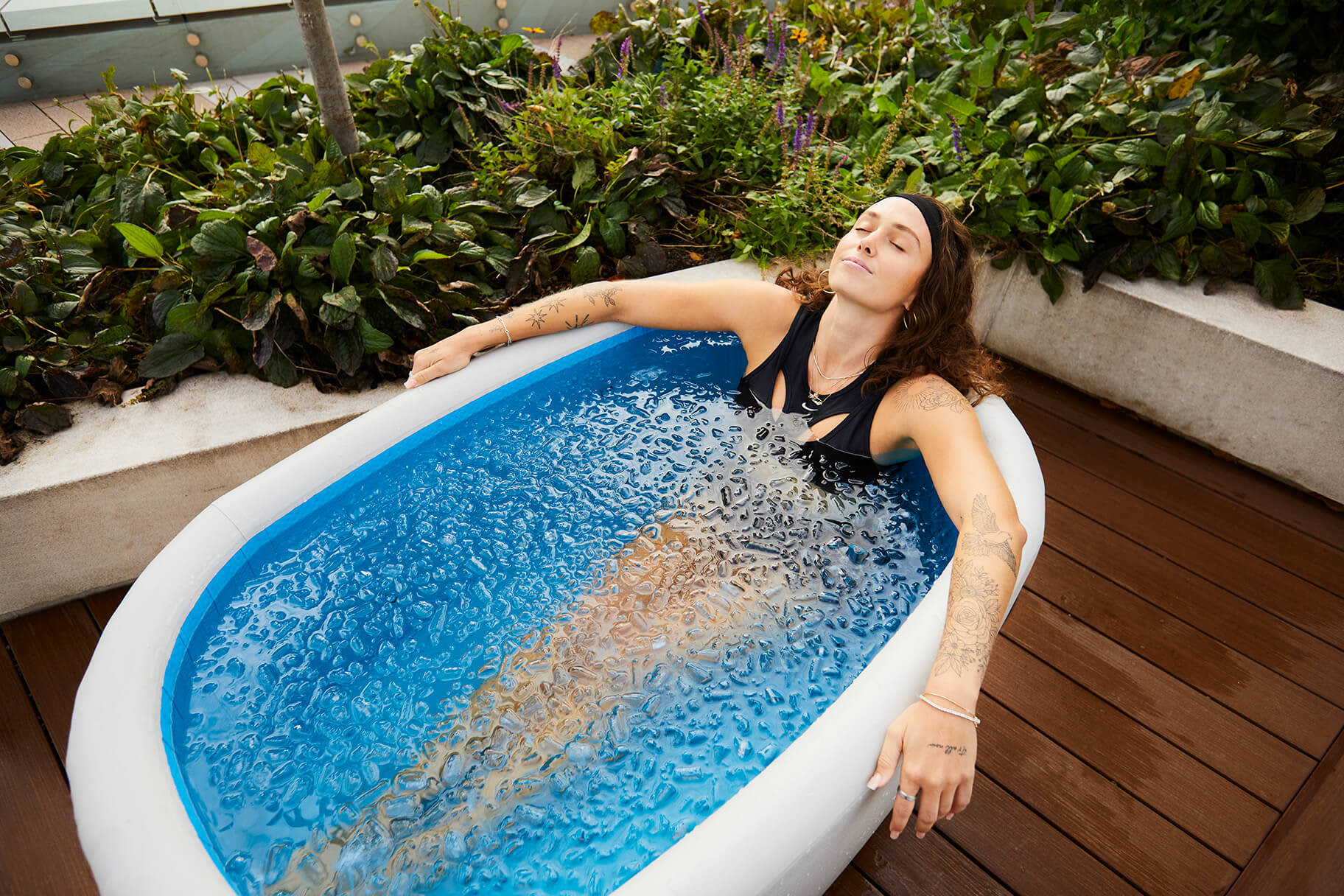
1️⃣ Ice Bath / Cold Water Immersion (CWI)
Typical protocol:
10–15°C, 10–15 minutesWhat it’s good for
- Acute soreness
- Post-competition recovery
- Multi-match tournament congestion
- Central fatigue relief
What research shows
- Repeated use post-strength training reduces hypertrophy
- Blunts satellite cell activity
- Suppresses anabolic signalling pathways
Clinical takeaway:
Excellent short-term tool, poor daily habit.
2️⃣ Whole Body Cryotherapy (WBC)
Typical protocol:
–110°C to –140°C, 2–3 minutesAdvantages
- Strong neural analgesia
- Perceived freshness
- Rapid session duration
Limitations
- Limited evidence superiority over ice baths
- Expensive
- Mostly symptom-driven benefits
Clinical takeaway:
Useful for elite competition phases, not rehabilitation.
3️⃣ Active Recovery
Examples:
- Light cycling
- Pool walking
- Low-intensity jogging
- Mobility-based movement
Physiological benefits
- Enhanced circulation
- Improved metabolite clearance
- Maintains neuromuscular rhythm
Clinical takeaway:
Most underrated recovery tool, especially during training blocks.
4️⃣ Compression Therapy
Includes:
- Compression garments
- Pneumatic compression boots
Benefits
- Improved venous return
- Reduced limb heaviness
- Travel recovery
Clinical takeaway:
Supportive, but not a replacement for load management.
What the Research (2023–2025) Consistently Shows
Key findings across recent systematic reviews:
- Cold exposure reduces delayed onset muscle soreness (DOMS)
- Cold exposure does not accelerate tissue healing
- Frequent post-training cold exposure:
- Reduces muscle strength gains
- Impairs tendon adaptation
- Alters long-term neuromuscular efficiency
The problem is not cold exposure itself — it is timing, frequency, and intent.
Sport-Specific Recovery Recommendations- Do you need recovery after every session?
Sprinting, Jumping & Power Sports
- Avoid ice baths after speed or gym sessions
- Use cold exposure only post-competition
- Prioritise active recovery + sleep
Team Sports (Football, Hockey, Basketball)
- Cold exposure useful during congested match schedules
- Avoid habitual daily use
- Alternate with active recovery days
Endurance Athletes
- Limited benefit unless acute inflammation present
- Overuse may blunt mitochondrial adaptations
Masters Athletes (30+)
- More pain-relief driven use acceptable
- Still avoid post-strength cold exposure
When I Prescribe Cold Therapy (Clinical Decision Framework)
I consider cold exposure only when at least one of the following exists:
- Acute inflammatory flare-up
- Tournament congestion with limited recovery windows
- Central fatigue requiring neural reset
- Pain limiting sleep or basic movement
If the goal is strength, speed, or tendon adaptation, cold exposure is deliberately restricted.
Common Mistakes I See Daily in Clinics & Gyms
- Ice baths after every workout
- Cold exposure immediately post-strength training
- Using cold to hide load mismanagement
- Applying elite athlete protocols to recreational bodies
- Confusing soreness reduction with recovery success
Ice Bath vs Cryotherapy vs Active Recovery: Quick Comparison
Method Best Use Risk if Overused Ice Bath Competition recovery Blunted adaptation Cryotherapy Acute symptom relief Overreliance Active Recovery Training blocks Minimal Compression Travel fatigue False recovery
Final Verdict: Evidence Over Trends
Cold exposure is not bad.
Cold exposure is not magic.Used strategically, it is a valuable recovery tool. Used blindly, it becomes a silent performance limiter.
Recovery is not about how fresh you feel tomorrow —
it is about how resilient your body becomes next season.
Frequently Asked Questions
Should beginners use ice baths?
No routine need. Focus on sleep, nutrition, and graded loading.Is cold exposure bad for injury rehab?
In early acute phases, it can help pain. In tissue remodelling phases, it may delay healing.How often is too often?
More than 2–3 times per week outside competition phases is rarely justified.
-
Subscribe
Subscribed
Already have a WordPress.com account? Log in now.
 Cold Plunge, Ice Bath, Cryotherapy or Active Recovery?